Urgent Tree Care Tips for Middletown Homes
When trees show signs of trouble, waiting too long to act can lead to bigger problems down the road. A seemingly minor issue, like a broken limb or wilting leaves, might be a warning sign of something more serious. Knowing what kinds of tree problems need fast professional attention can help you avoid damage to your property and keep your outdoor space safe, especially going into winter. In Middletown, Delaware, where weather can shift quickly as December rolls in, trees need the right care before things freeze over.
Ignoring certain signs, even if they seem harmless at first, can lead to larger issues that are harder and more expensive to fix later. Whether it’s a diseased trunk, dying limbs, or weakened roots, catching these problems early keeps your landscape looking great and prevents unexpected hazards. The right approach is to know what to watch for and have a plan to take care of problems before they worsen. That’s where professional help makes all the difference.
Common Tree Issues Requiring Immediate Attention
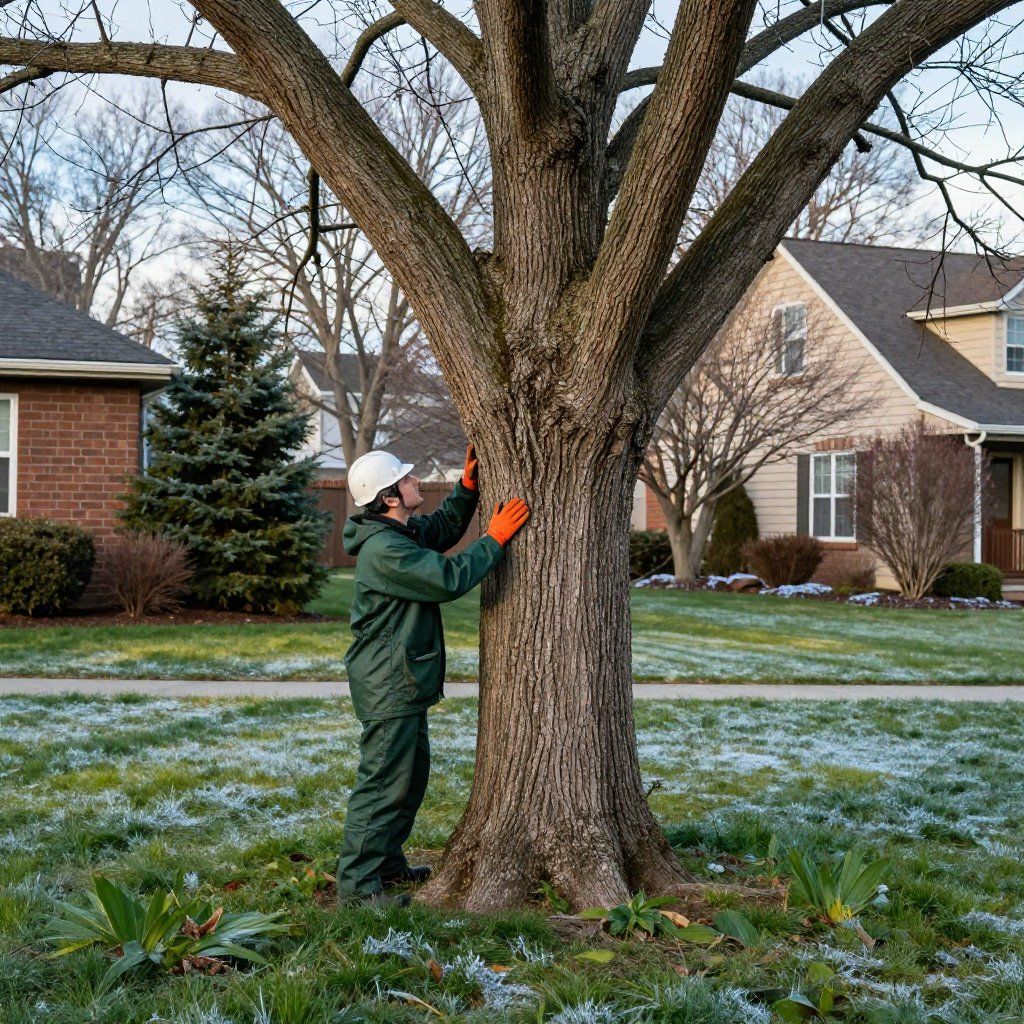
Some tree problems really shouldn’t be put off. The trouble is, a lot of homeowners don’t always know what to look for. Luckily, there are a few clear warning signs that should raise concerns right away.
Here are some of the most common issues that call for fast action:
- Discolored or dropping leaves that aren't linked to changing seasons
- Dead or brittle branches that snap off easily
- Sudden leaning or movement of the tree after a storm
- New fungal growth or mushrooms at the base of the trunk
- Holes in the bark or sawdust piles nearby that could mean insects
- Large branches that have fallen or appear at risk of falling
Say a neighbor's tree in town recently lost a major branch during a quiet afternoon. No storm, no wind, it just cracked and dropped. That’s not normal. It turned out the tree was hollowing from the inside due to decay. It looked mostly fine until it wasn’t. That’s why it’s important to not dismiss unexplained changes or damage.
Another big one to watch out for is pest activity. If you notice unusual marks on the bark, oozing sap, or clusters of bugs around the base, pests might already be doing real damage. Many tree insects work fast and settle deep, making it nearly impossible to handle without the right tools and know-how.
If you’re seeing any of these issues on your property, it’s smart to get input from someone trained to deal with trees before things escalate.
Structural Problems That Pose Risks
A tree’s structure plays a huge part in how safe it is to have around your home or business. Even a healthy-looking tree can fall if there’s damage you can't spot from the outside. Structural issues don’t always show up until the tree is already under stress, like after a heavy snowfall or during one of those strong winter wind gusts common in Delaware.
Here are a few structural problems that can become real hazards:
- Leaning trees, especially ones that weren’t leaning before
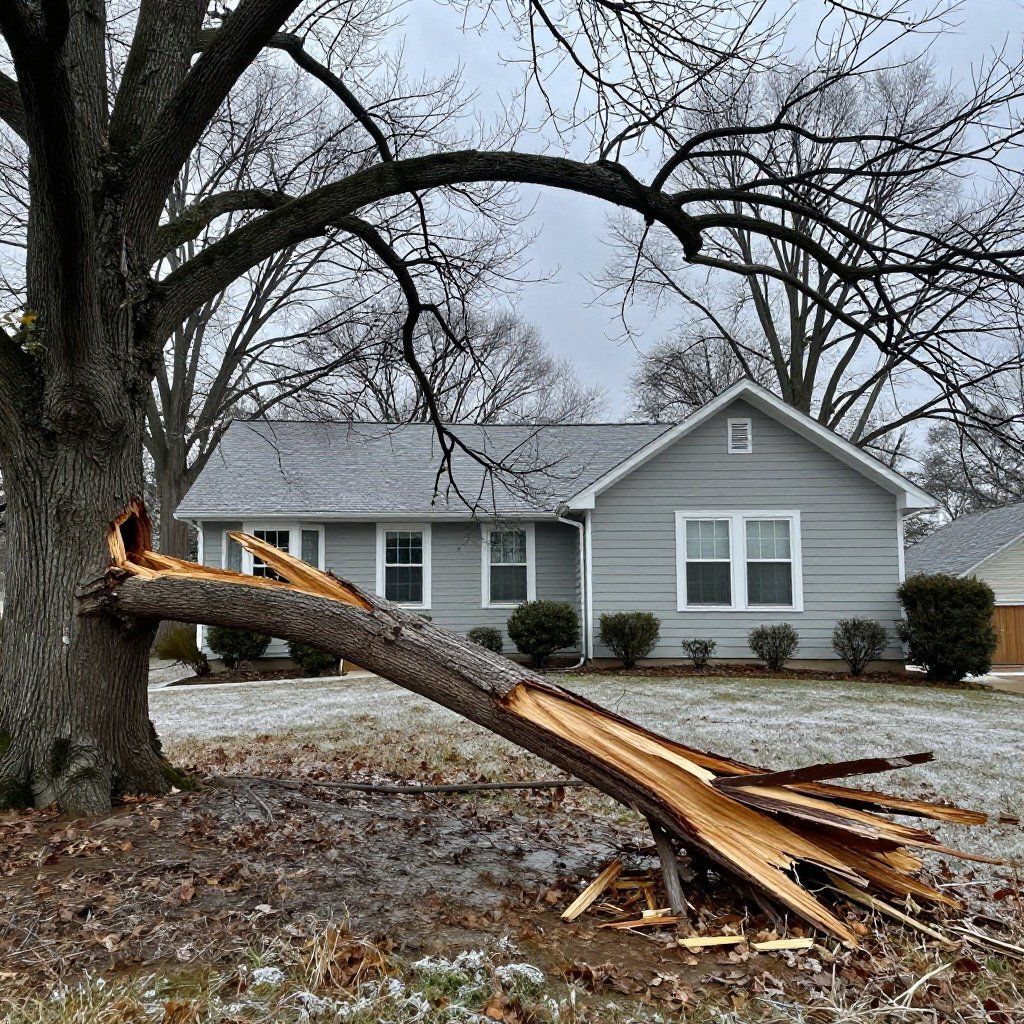
- Cracks or splits in the trunk or major limbs
- Tree roots breaking the surface or pushing up sidewalks
- Soil that looks raised or loosened along one side of the tree base
A shift in the way a tree leans can signal a failure in the root system or the trunk. Even mild tilts deserve quick attention since they might collapse without warning during the next storm. Shallow or lifted roots can point to a weakening grip in the soil, which makes trees more likely to topple suddenly.
Don’t assume the lack of movement means you're in the clear. Trees under pressure may not fall right away, but they’re holding weight and tension that could snap at a bad time. Any signs of structural movement or weakness should be checked out before winter pressure like heavy ice or snow adds more stress to the system.
Pest And Disease Management
Pest activity in trees often goes unnoticed until damage becomes visible, and by then it can already be serious. Certain insects in Middletown, Delaware, are known to hide deep in trunks or branches, weakening the tree from the inside out. Some chew through bark, leaving tiny holes or sawdust shavings behind. Others may swarm roots or infest foliage, causing leaves to dry out or drop too early.
Diseases, especially fungal infections, can work in sneaky ways. You might find patches of odd-colored bark, areas that look like they’re rotting, or growths like mushrooms around the base. These signs hint that the tree’s health is already at risk. Cold, damp winters can sometimes speed up how these diseases spread, especially if infection has already begun in the fall months.
The tough part about both pests and diseases is that they’re hard to treat correctly without making things worse. Spraying chemicals or cutting branches in the wrong place could end up hurting the tree more than helping. That's why a trained professional should be brought in to figure out exactly what's going on and stop the spread before it reaches nearby trees.
Routine Tree Maintenance And Preventative Care
When it comes to keeping trees strong and stable, being proactive beats putting out fires later. A good maintenance routine keeps small issues from turning into big ones. It helps promote proper growth, reduces the chances of sudden breaks or falls, and keeps trees looking even and healthy across every season.
Here are a few core parts of a solid tree care routine:
- Prune dead or weak branches regularly to reduce weight and stress
- Clear out limbs that grow too close to roofs, wires, or other trees
- Check the base for early signs of fungus or pests
- Monitor soil moisture and avoid over or underwatering
- Schedule seasonal inspections before winter and after major storms
Skilled tree experts know how to trim just enough without harming the structure. They’ll also spot things homeowners may miss, like early signs of rot or poor root attachment. Routine checks, especially in places like Middletown when weather can shift fast in December, go a long way toward keeping landscapes safe and stress-free.
Why Professional Help Matters
When tree issues pop up, a quick trim or patch isn’t always the right fix. Some problems lie deep in the structure or aren’t even visible from the ground. Others, like disease, pests, or damage after storms, need more than a surface-level solution.
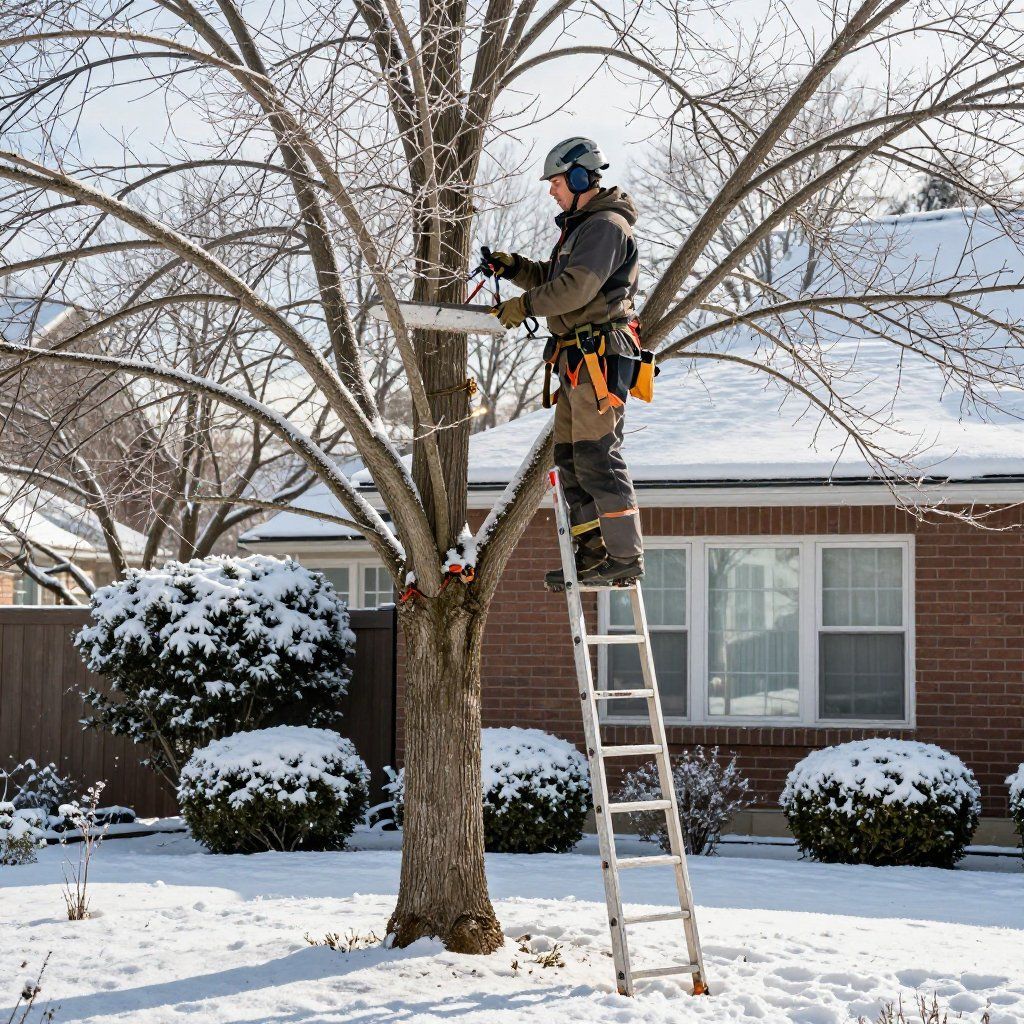
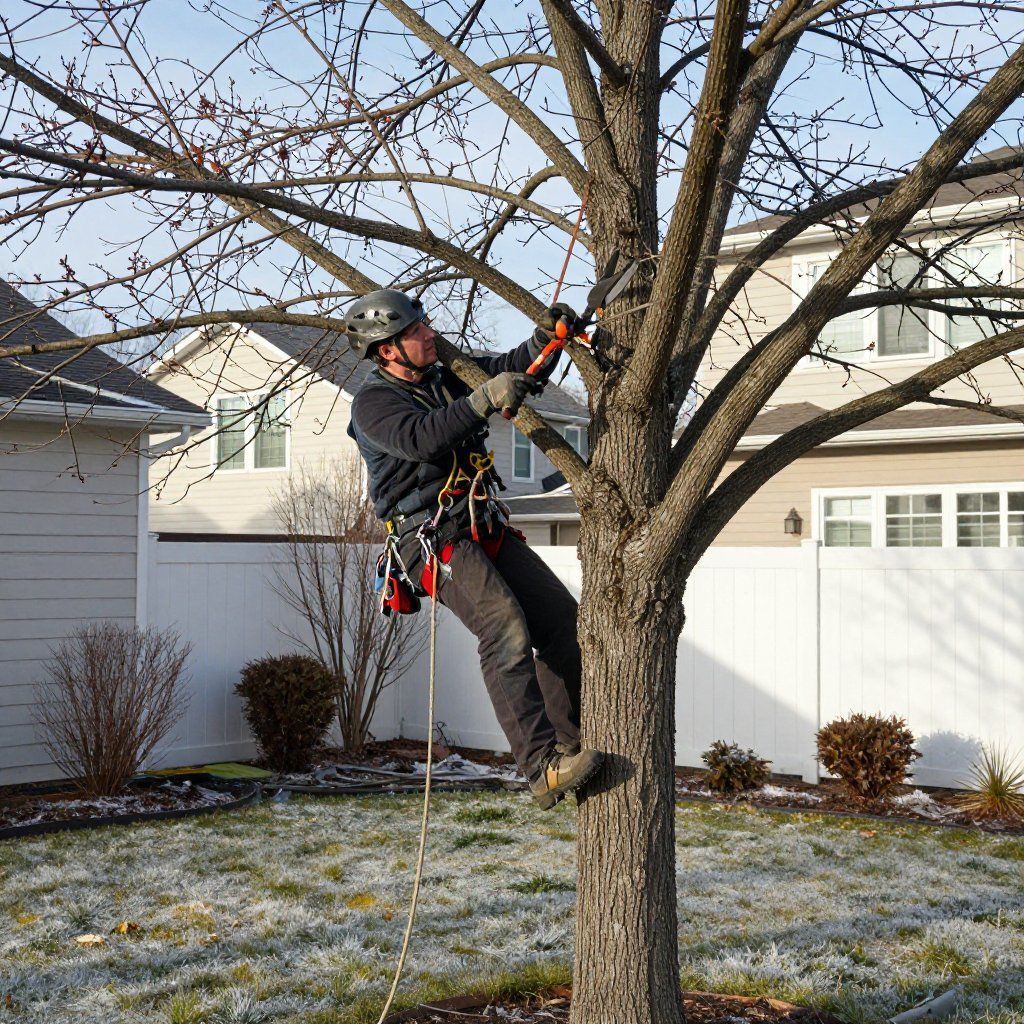
Professionals know how to assess tree health and understand signs the average homeowner would never notice. They have the right tools for the job, from climbing gear to stump grinders, and know how to remove damaged trees safely without harming nearby structures. Their goal isn’t just to get the job done but to make smart calls that protect the health of trees and the safety of everyone around them. That’s hard to do without training or experience.
In Middletown, where winter thinning and early snow can add pressure to trees already under strain, having trees looked at in time could make the difference between a routine trim and a major emergency.
Make Tree Health a Priority Before Winter Hits Hard
Identifying which tree issues need quick action is one of the best things you can do for your yard. Dead limbs, hidden pests, weakened roots—these aren’t just visual problems. They’re safety risks hiding in plain sight. Trees may look strong from a distance, but without proper care, they can break, fall, or quietly decline until the damage is already done.
Staying one step ahead with inspections, smart maintenance, and early professional attention helps avoid these situations altogether. It doesn't just protect your property. It makes your yard a safer and healthier place to be year-round. For Middletown homeowners, that matters even more as winter weather sets in and tree structures get pushed to their limit.
Remember, taking early action on tree problems can make a big difference when it comes to safety and health in your yard. If you’re dealing with concerns around weak limbs, pests, or tree stability in Middletown, Delaware, reach out for trusted tree service from Pro Forest Landscaping. Our experienced team is here to help keep your trees safe, sturdy, and healthy all year long.